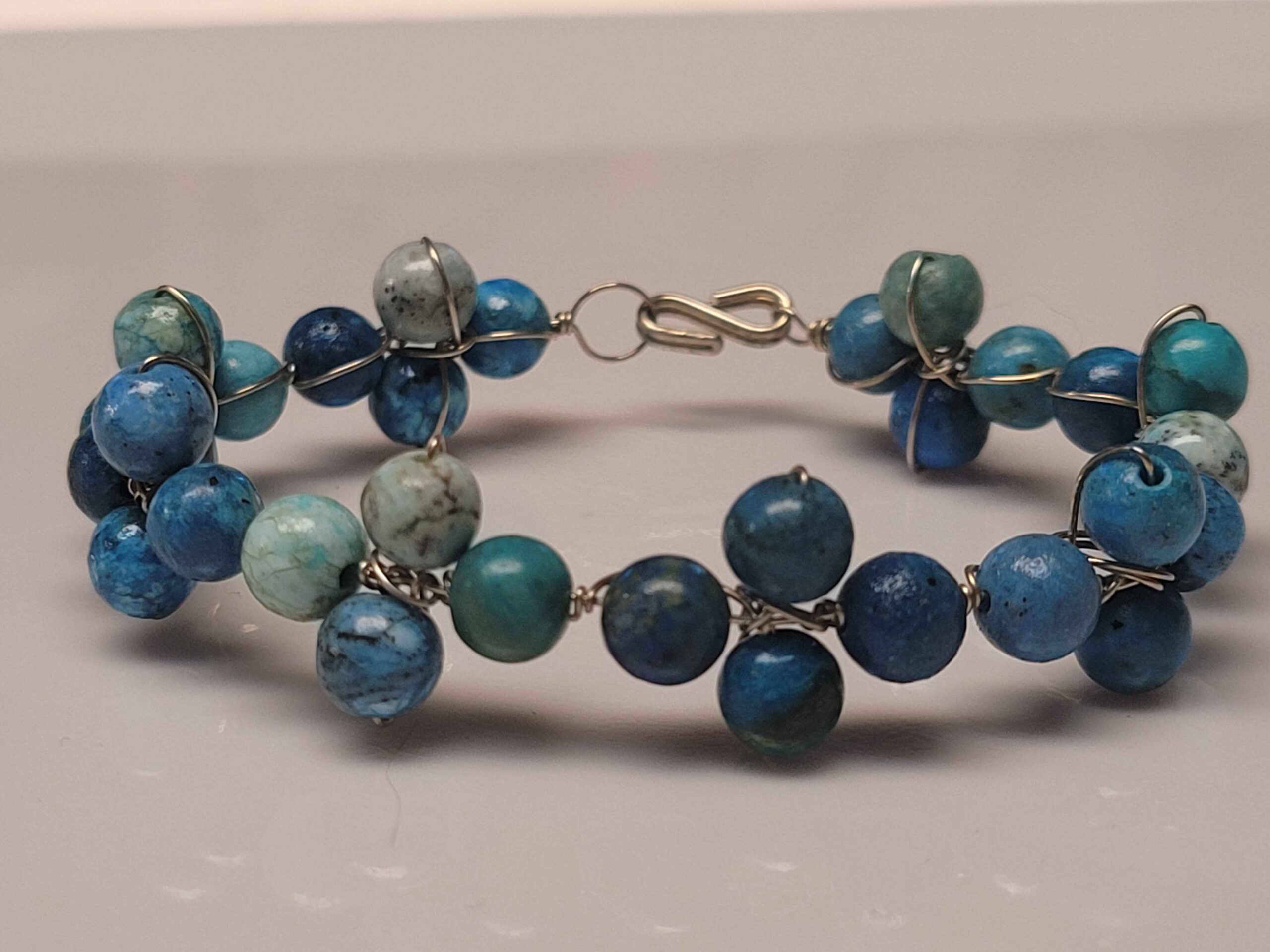
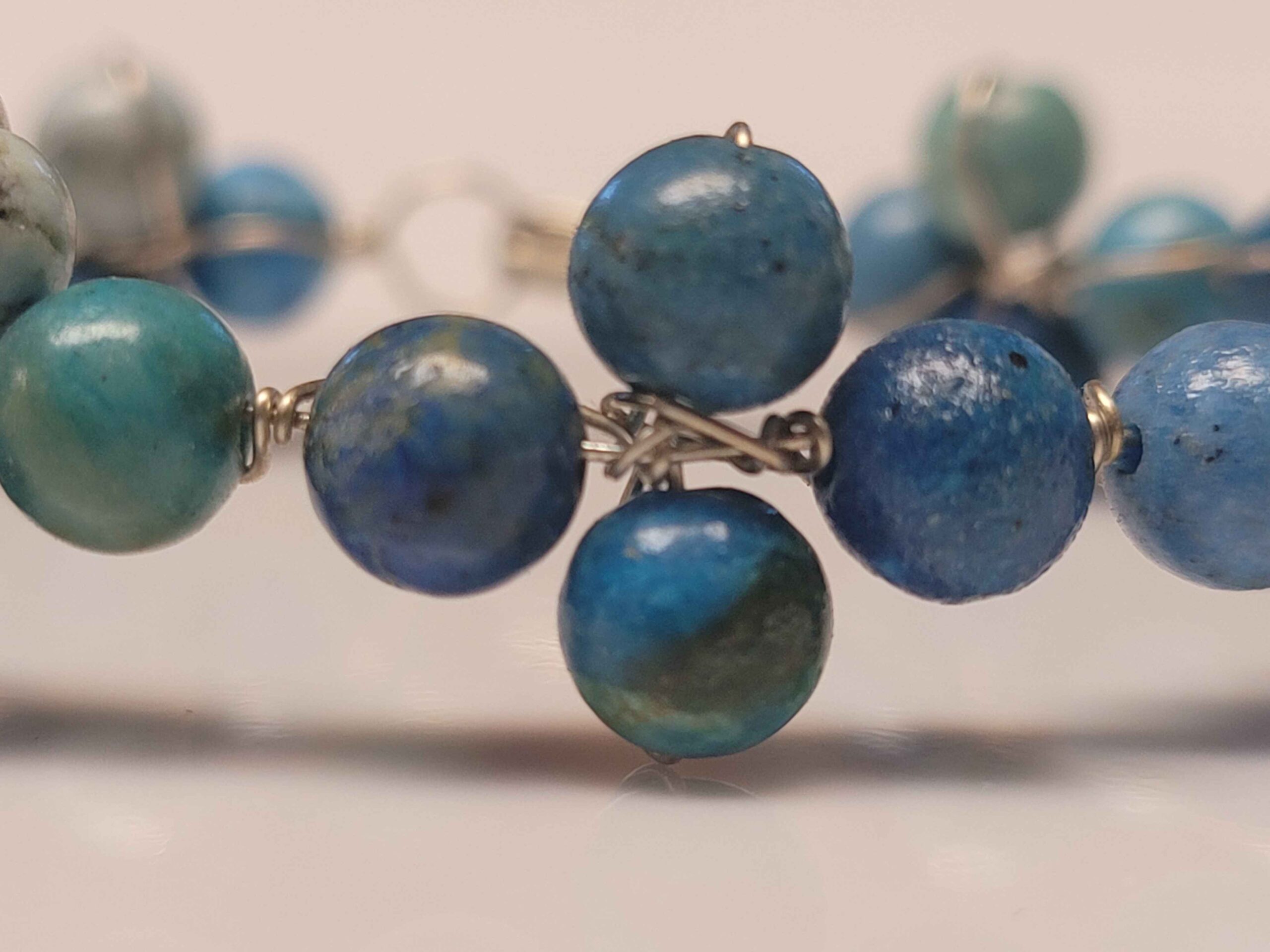
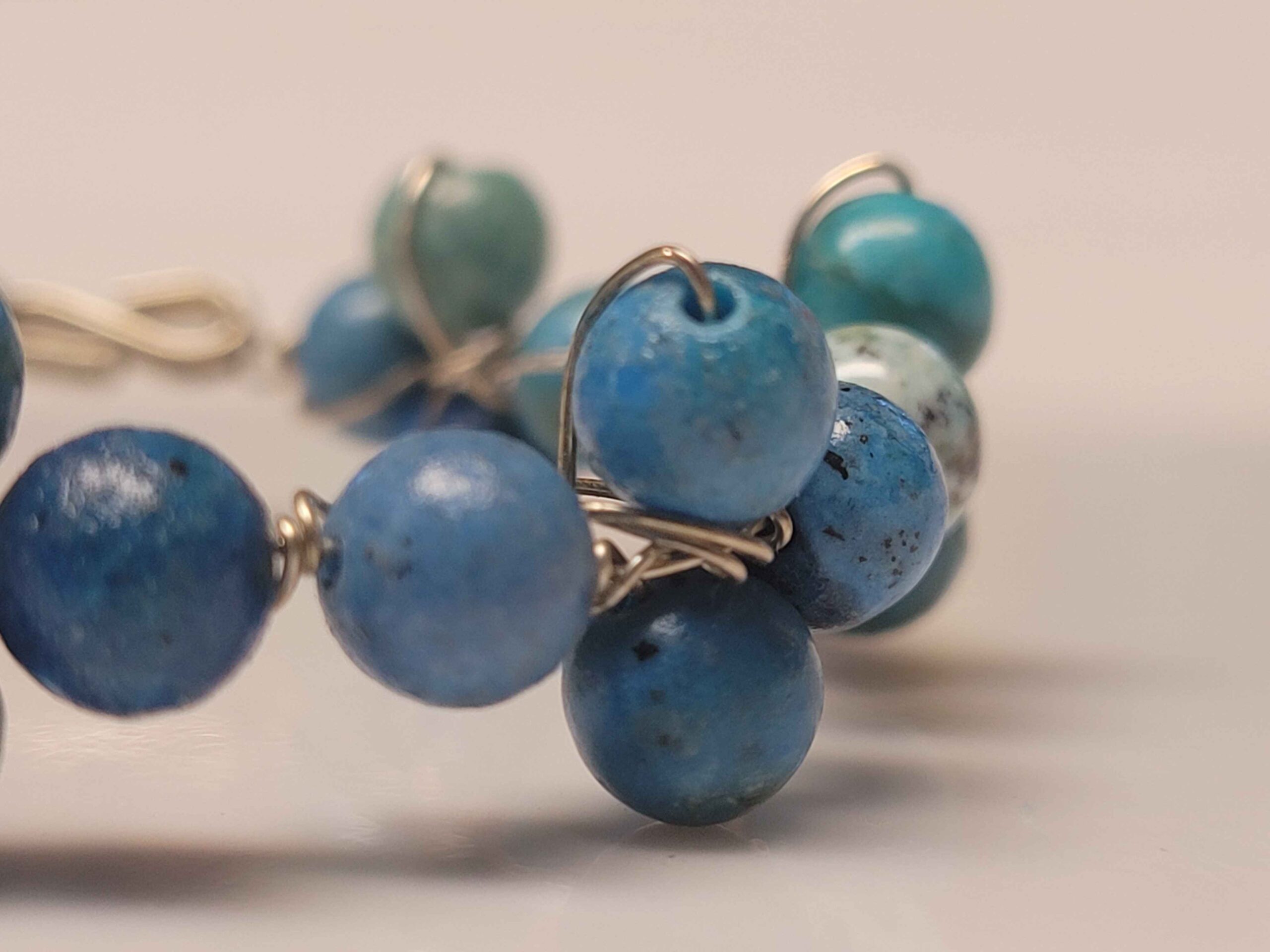
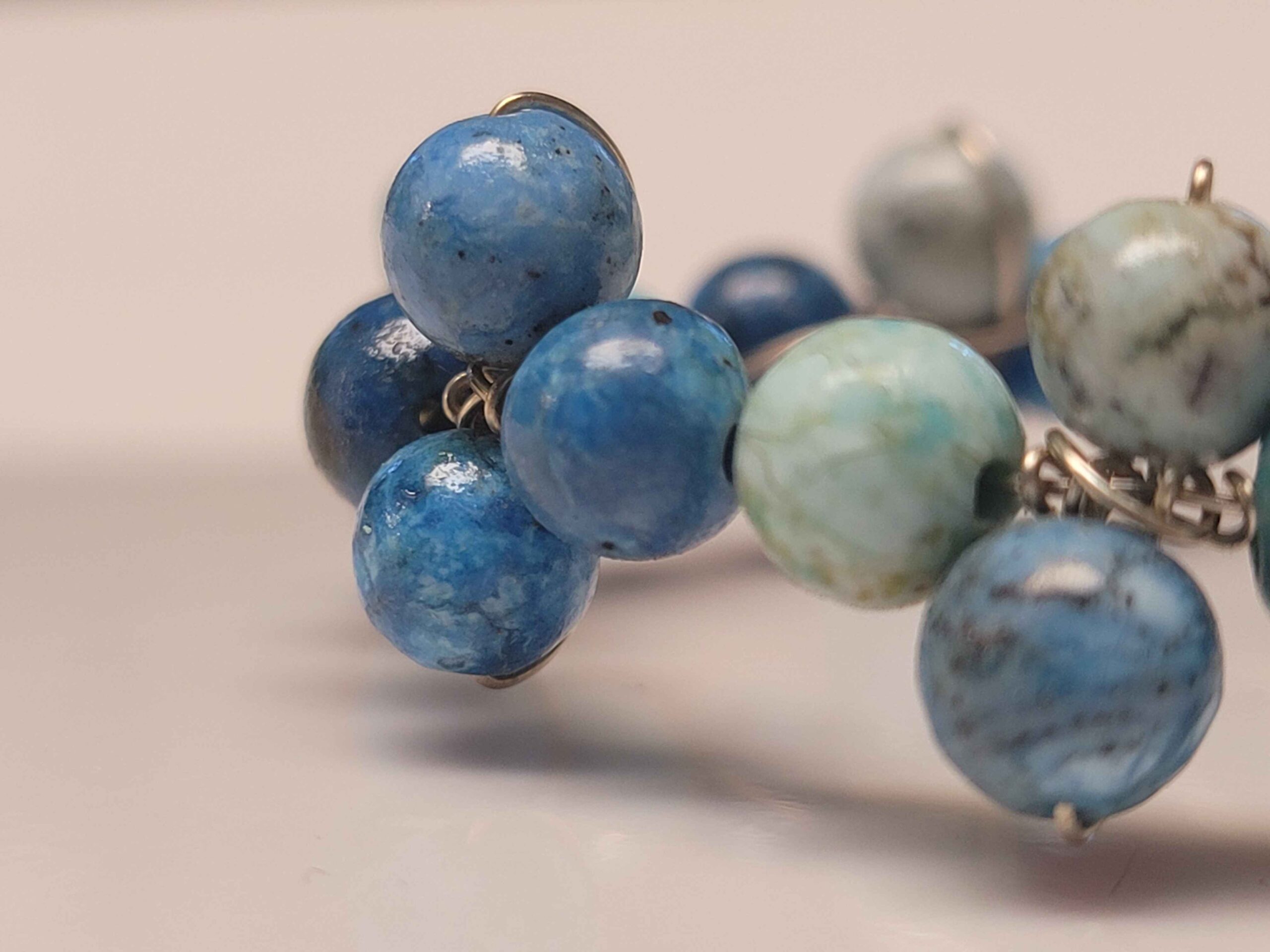
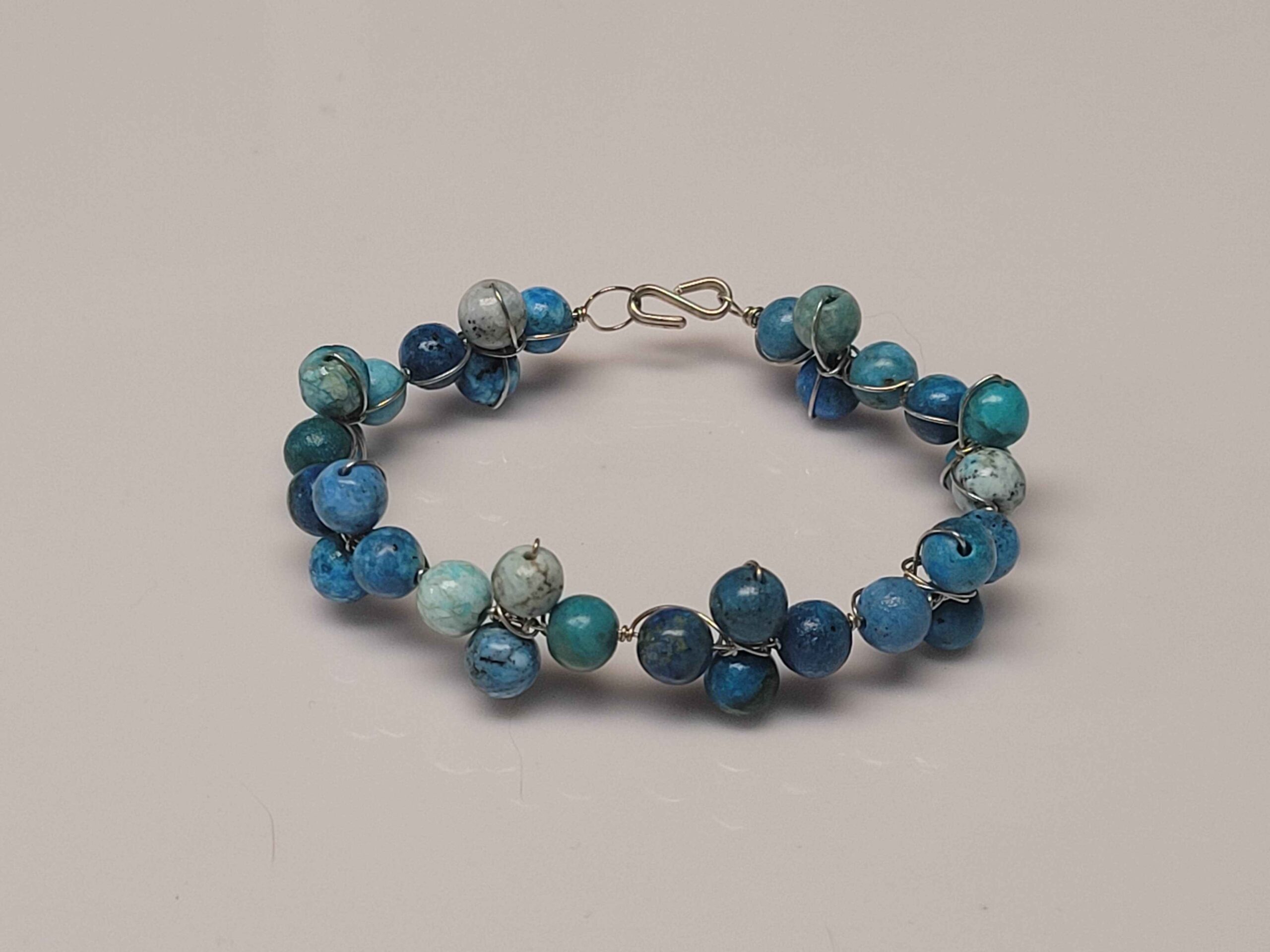
Description
Chrysocolla belongs to the silicate mineral group and is classified as a phyllosilicate, specifically a member of the kaolinite-serpentine group. It does not have a well-defined crystal structure and often occurs in amorphous or botryoidal masses as a result. It is also often found in association with copper minerals such as malachite, azurite, and cuprite. Known for its vibrant blue-green to green color, it’s named after the Greek words “chrysos” meaning gold, and “kolla” meaning glue, due to its historical use as a flux in soldering gold.
Chrysocolla can form through hydrothermal and supergene processes and can also form as a result of secondary deposition – the leaching and redeposition of copper minerals.

Reviews
There are no reviews yet.