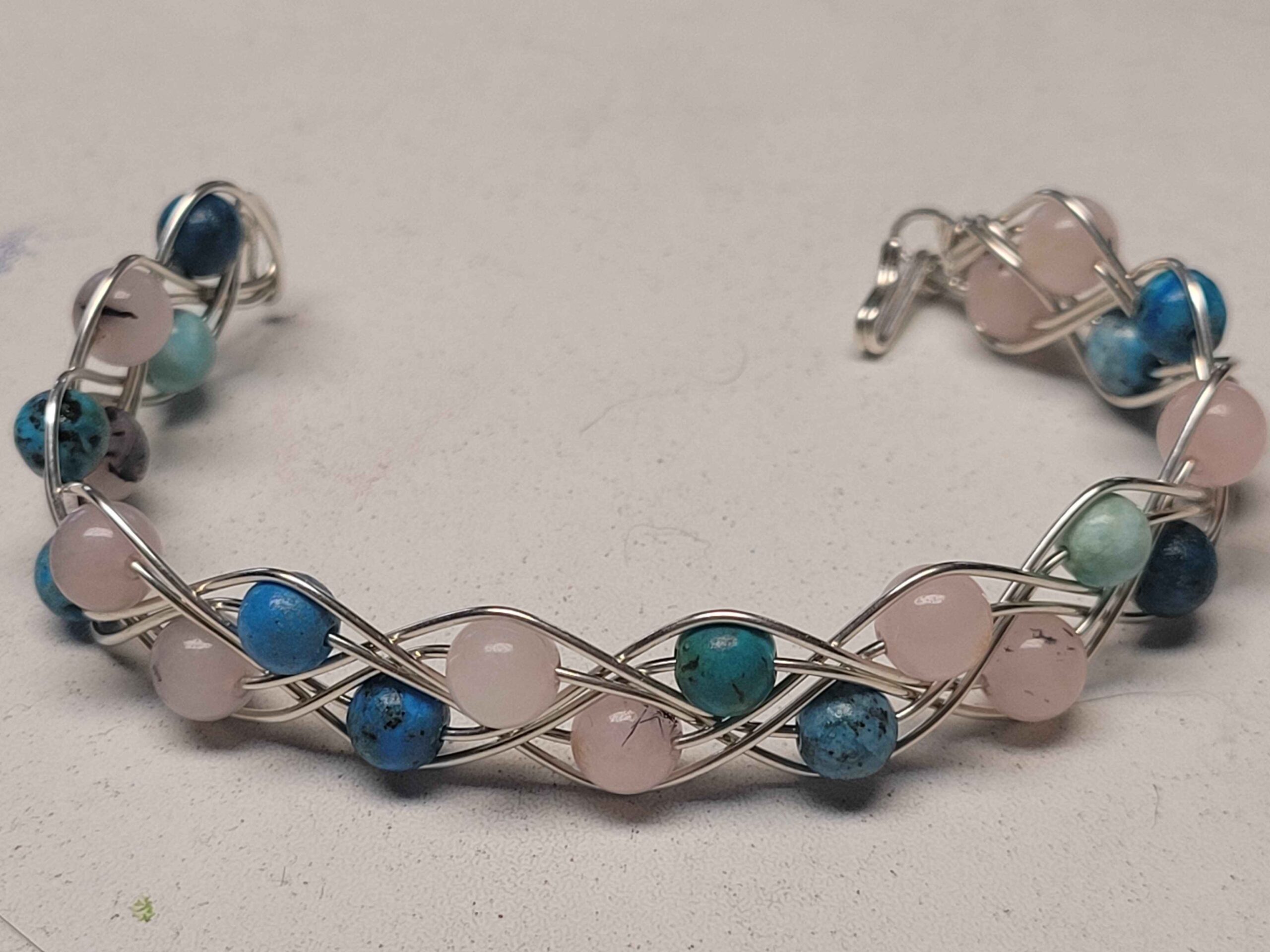
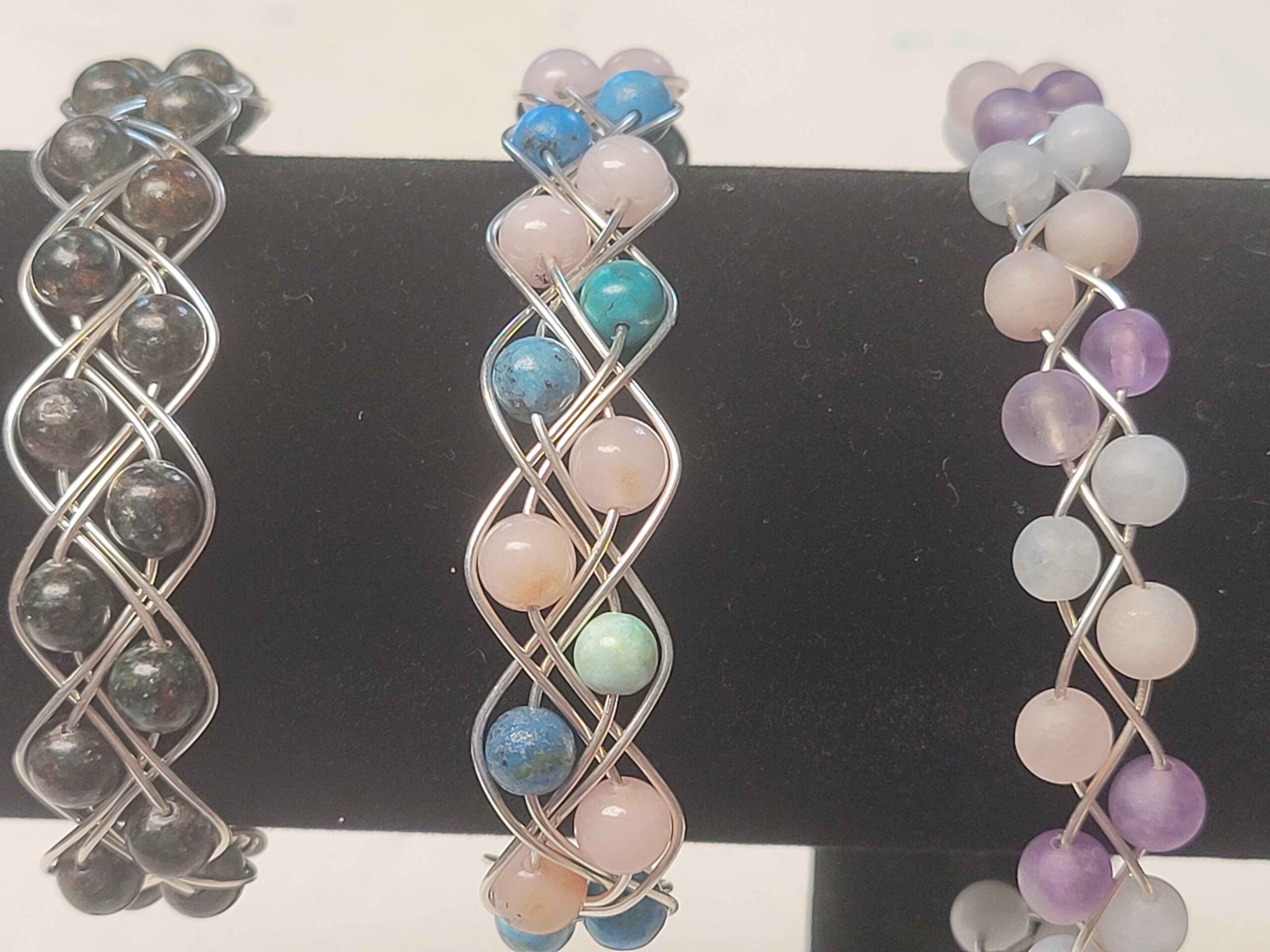
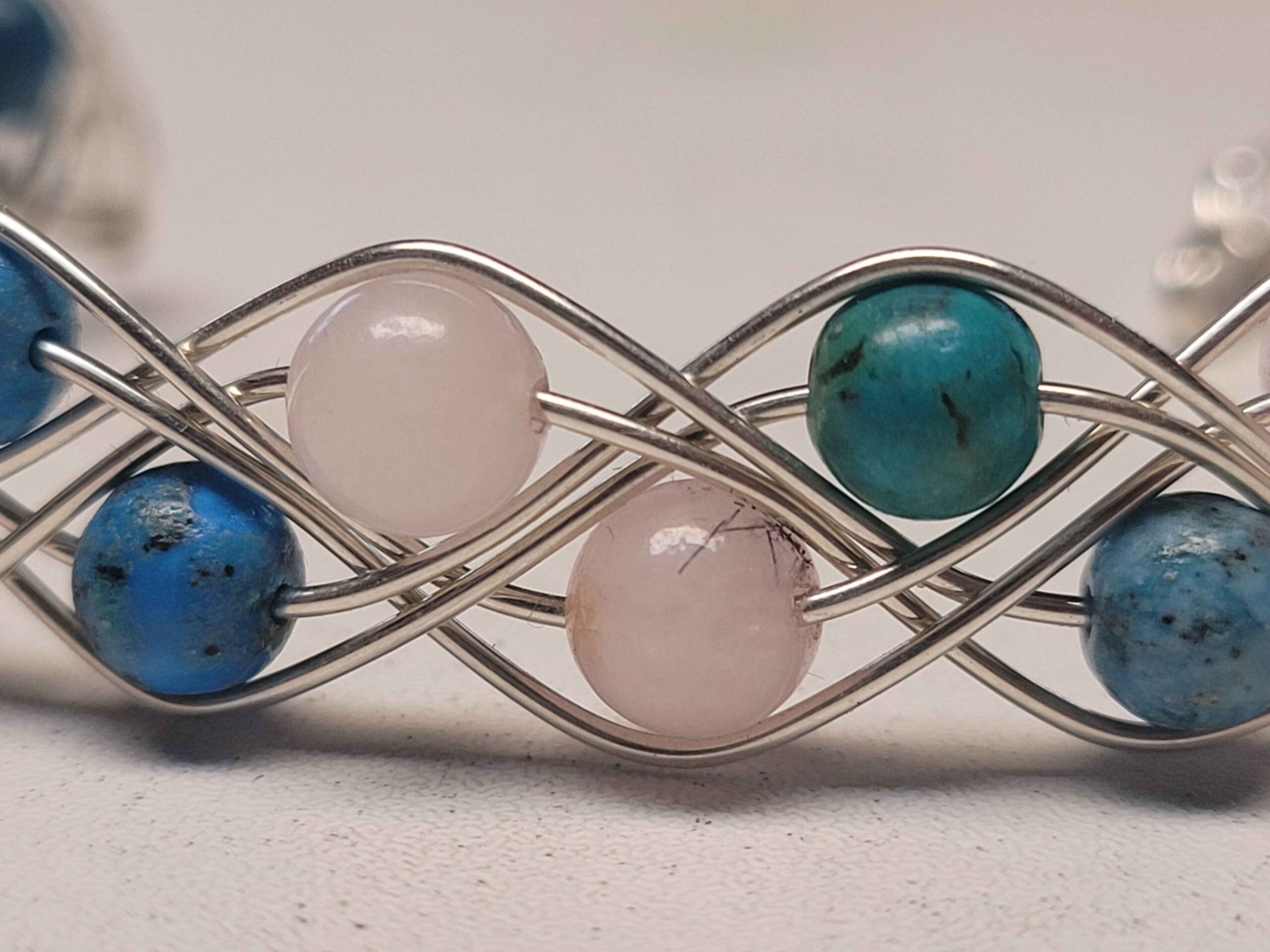
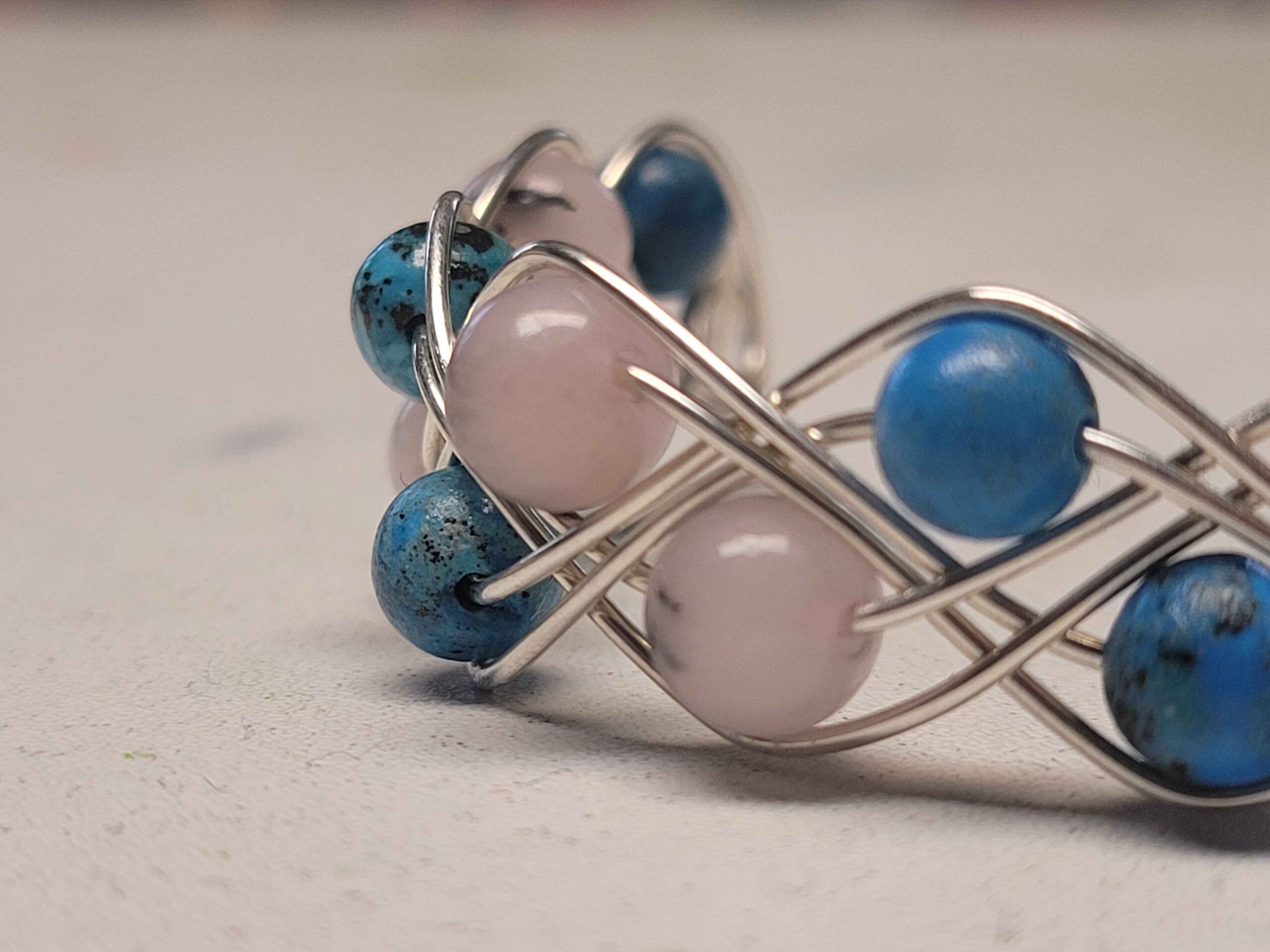
Description
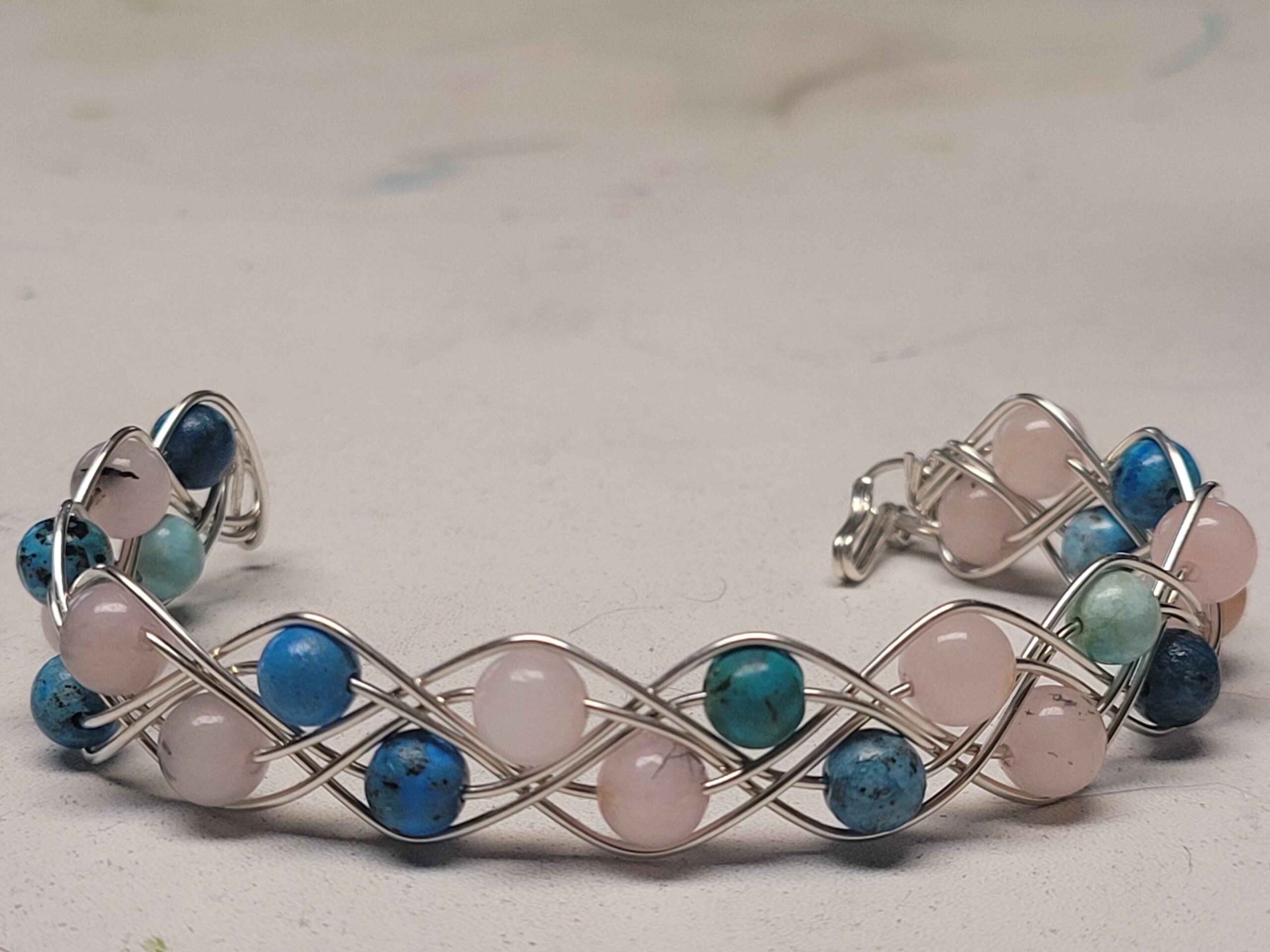
Pink opal is a particularly interesting stone. Known for its delicate pink hues, this gemstone is a variety of common opal, a mineraloid composed of primarily hydrated silica. Pink Opal has a non-crystalline structure and forms like other opals through the desposition of hydrated silica into voids or fissures within rocks called vesicles. It’s commonly found in sedimentary rocks, especially in regions with historical volcanic activity. The pink colors are believed to be the result of trace amounts of iron and organic compounds within the silica structure.
Notable deposits of Pink Opal are in Mexico, Nevada and Oregon, Australia, and the Andes Mountains of Peru where it enjoys a rich cultural history and has been mined for centuries. The Incans believed the stone to be a sacred gift from the goddess Pachamama and that it contains her nurturing and life-giving energies. It has been used as a symbol of fertility and growth in the region for hundreds of years as a result.
Chrysocolla belongs to the silicate mineral group and is classified as a phyllosilicate, specifically a member of the kaolinite-serpentine group. It does not have a well-defined crystal structure and often occurs in amorphous or botryoidal masses as a result. It is also often found in association with copper minerals such as malachite, azurite, and cuprite. Known for its vibrant blue-green to green color, it’s named after the Greek words “chrysos” meaning gold, and “kolla” meaning glue, due to its historical use as a flux in soldering gold.
Chrysocolla can form through hydrothermal and supergene processes and can also form as a result of secondary deposition – the leaching and redeposition of copper minerals.

Reviews
There are no reviews yet.