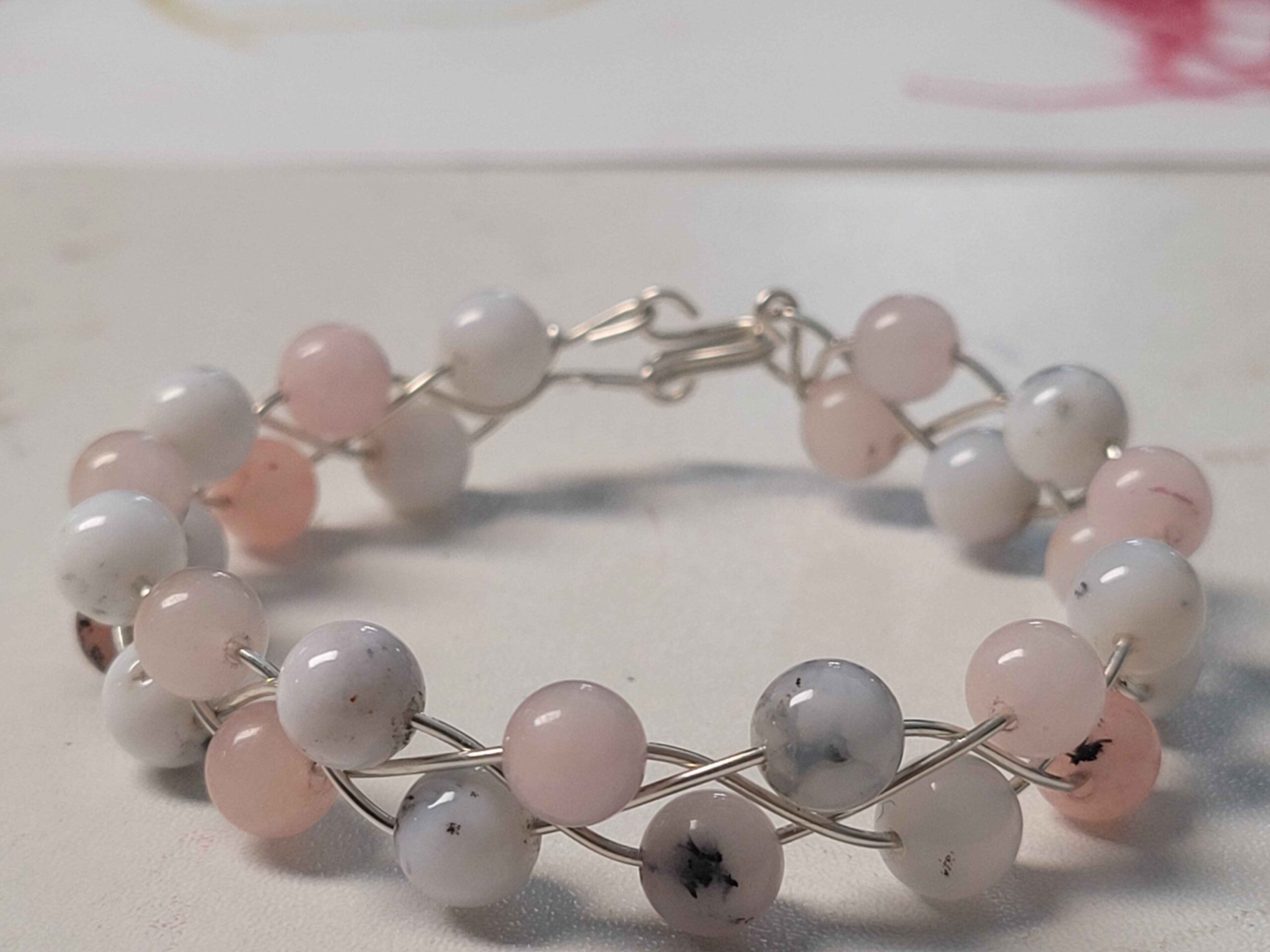
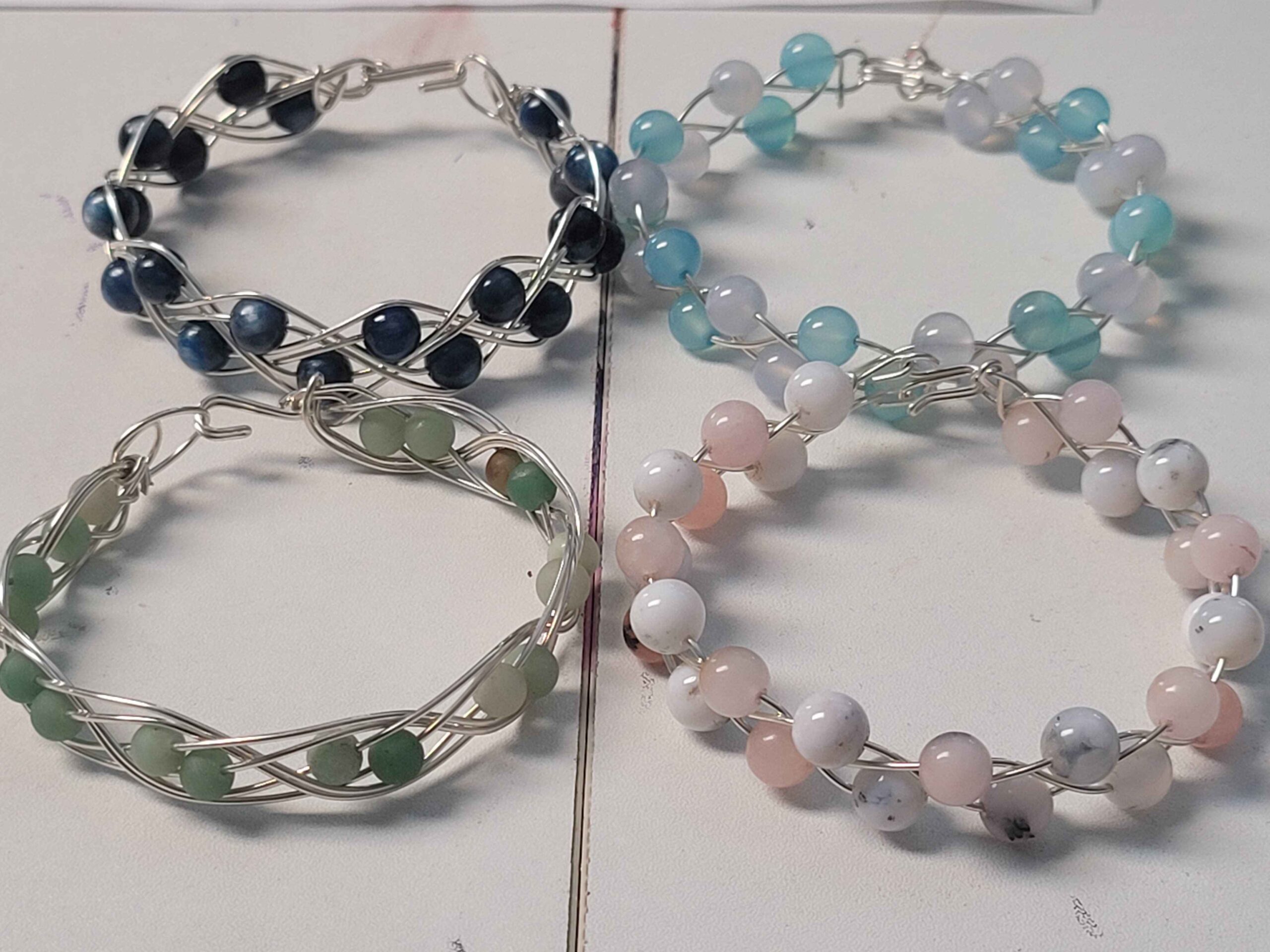
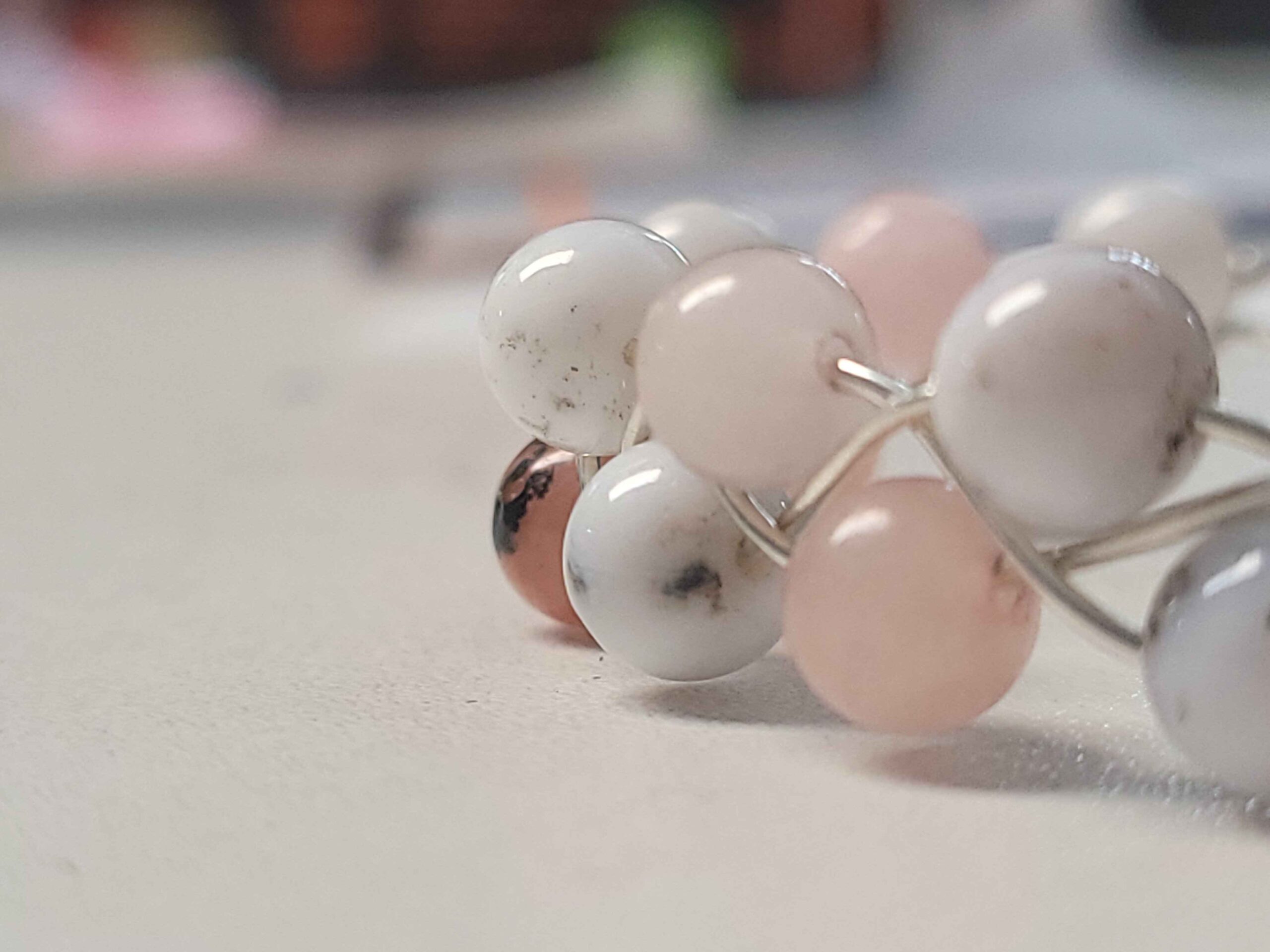
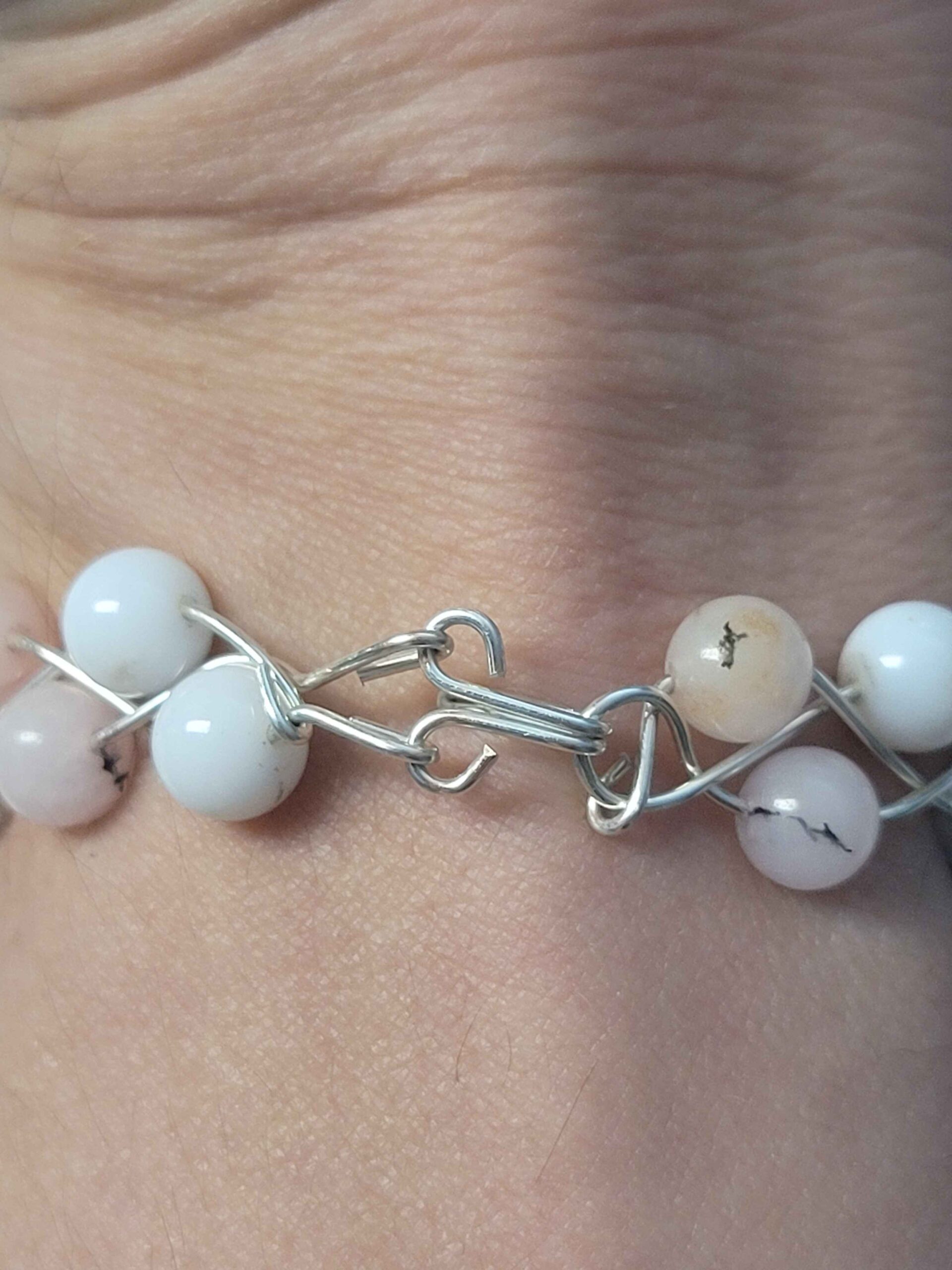
Description
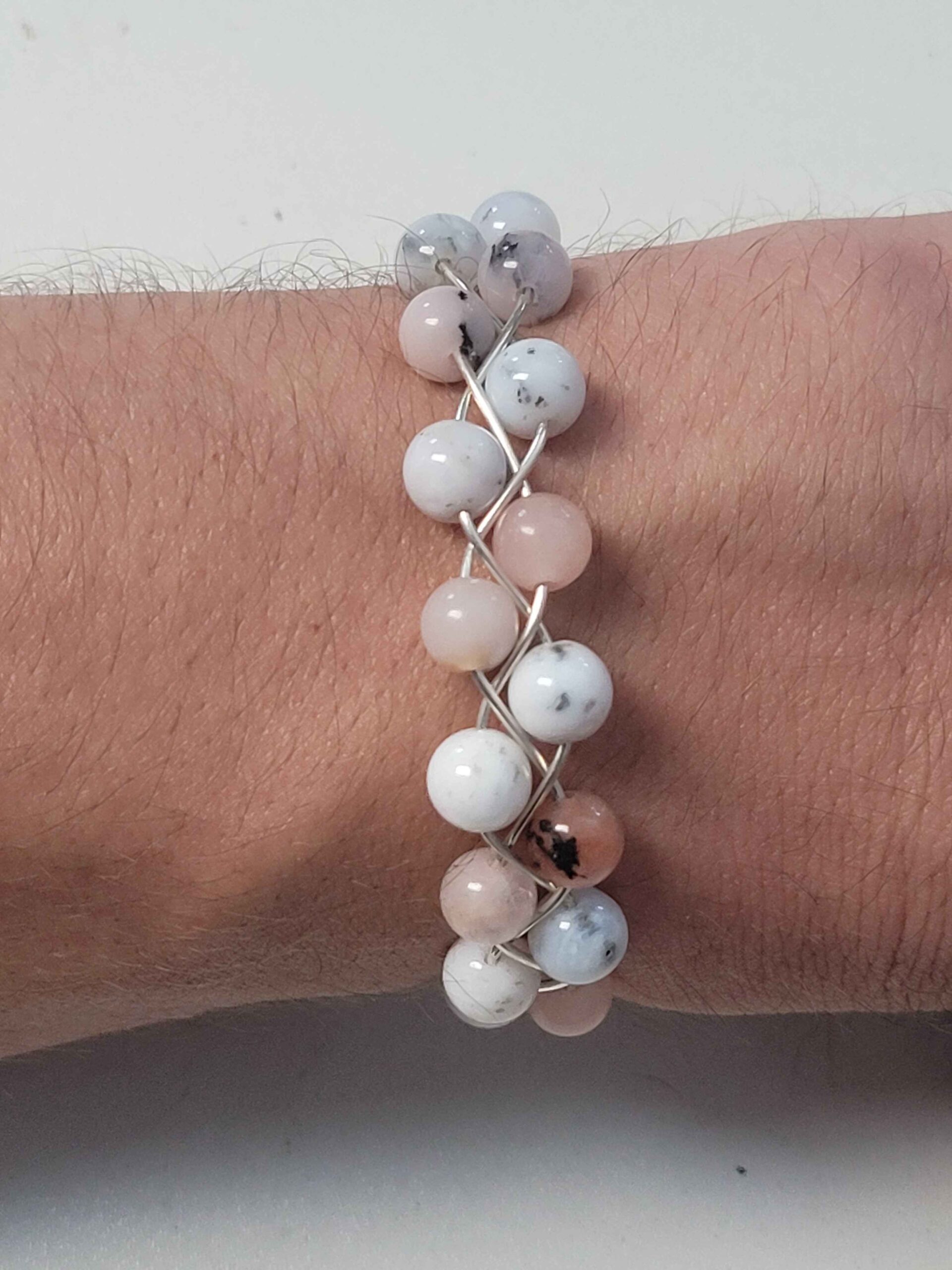
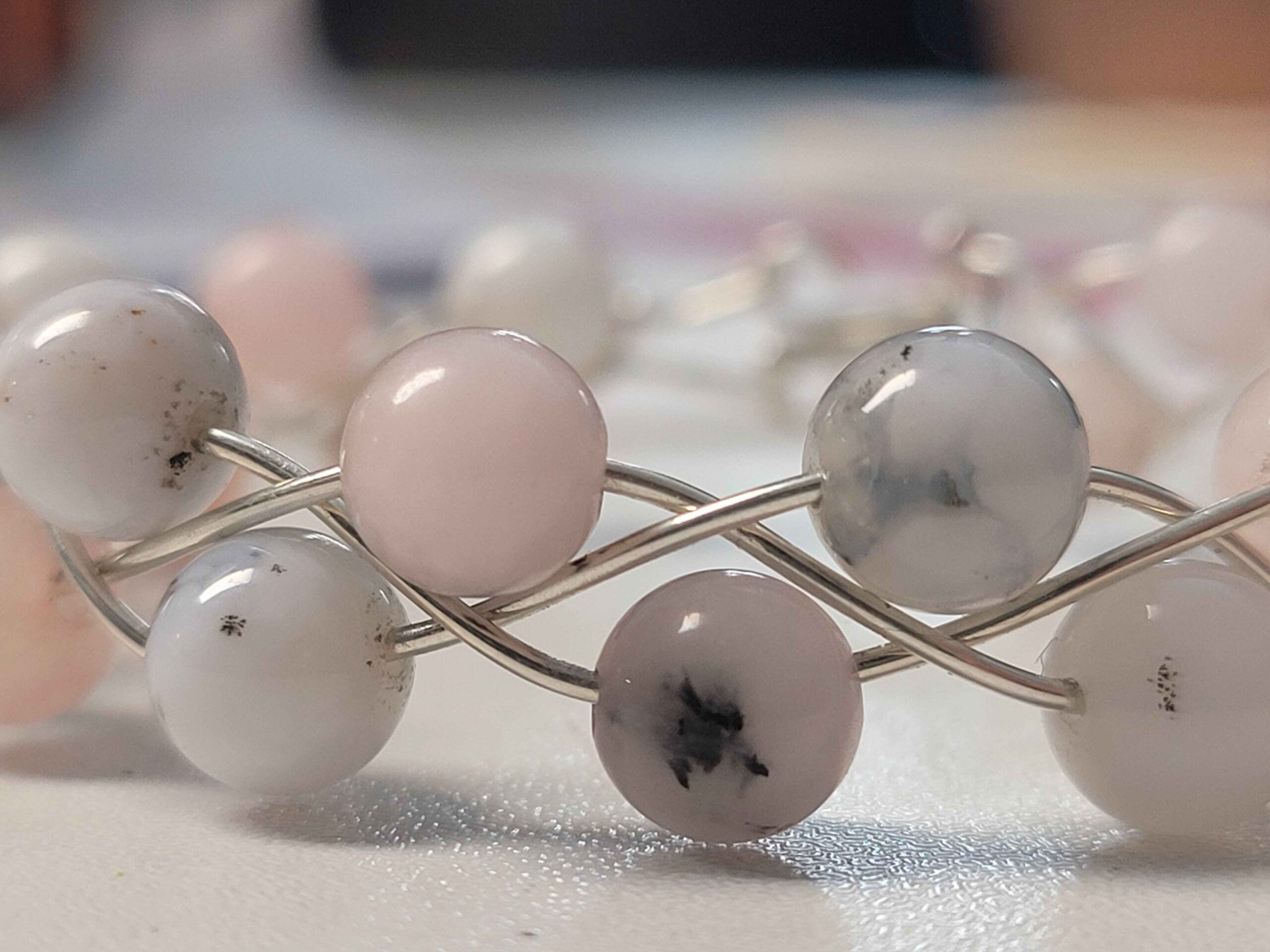
Pink opal is a particularly interesting stone. Known for its delicate pink hues, this gemstone is a variety of common opal, a mineraloid composed of primarily hydrated silica. Pink Opal has a non-crystalline structure and forms like other opals through the desposition of hydrated silica into voids or fissures within rocks called vesicles. It’s commonly found in sedimentary rocks, especially in regions with historical volcanic activity. The pink colors are believed to be the result of trace amounts of iron and organic compounds within the silica structure.
Notable deposits of Pink Opal are in Mexico, Nevada and Oregon, Australia, and the Andes Mountains of Peru where it enjoys a rich cultural history and has been mined for centuries. The Incans believed the stone to be a sacred gift from the goddess Pachamama and that it contains her nurturing and life-giving energies. It has been used as a symbol of fertility and growth in the region for hundreds of years as a result.
This White Opal, to the best of my knowledge, is a type of fusion between opal and agate. Opal Agate is a banded variety of opal displaying different color shades, which resembles the structure of Agate as it comprises of alternating layers of opal and chalcedony.
Chalcedony is a type of microcrystalline or cryptocrystalline quartz, meaning its crystals are so small that they are indistinguishable without a microscope. Chalcedony has a waxy or glassy luster, and comes in a wide range of colors. It can be found all over the world in volcanic rocks, geodes, and in sedimentary rocks.
The formation of this gemstone typically occurs in vesicles, (cavities) as nodules or geodes of volcanic rocks after they’ve cooled, such as basalt. As silica-rich solutions derived from groundwater and other mineral-rich sources pass through the porous volcanic rock, layers of microscopic silica are deposited onto the inner walls of the vesicles as it crystalizes. Over a long period of time, these alternating layers of differing minerals and silica create the patterns and bands characteristic of Agate. This process can take millions of years.

Reviews
There are no reviews yet.